Builders Waste Removal in Victoria: Efficient Solutions for Your Construction Projects
Introduction to Builders Waste Removal
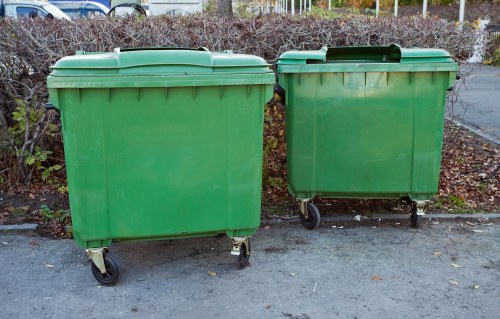
Embarking on a construction or renovation project in Victoria comes with its set of challenges, and one of the most significant is managing the resulting waste. Effective builders waste removal in Victoria is essential not only for maintaining a clean and safe worksite but also for ensuring compliance with local regulations and promoting environmental sustainability.
Builders generate a variety of waste materials, ranging from concrete and bricks to wood and metal scraps. Proper disposal of these materials is crucial to prevent environmental contamination, reduce landfill usage, and comply with Victorian waste management laws.
In this comprehensive guide, we'll delve into the essentials of builders waste removal in Victoria, exploring the types of waste generated, regulatory requirements, choosing the right waste removal service, and sustainable practices to minimize your environmental footprint.
Understanding Builders Waste

Types of Construction Waste
Construction projects produce a wide array of waste materials. Understanding the different types is the first step towards efficient waste management:
- Concrete and Masonry: Includes broken concrete, bricks, and tiles.
- Wood and Timber: Offcuts, pallets, and treated wood.
- Metals: Scrap steel, aluminum, and copper.
- Plastics and Packaging: Plastic wraps, foam, and packaging materials.
- Insulation Materials: Foam boards and fiberglass.
Each type of waste requires specific handling and disposal methods to ensure safety and compliance with environmental standards.
Proper segregation of waste at the source can significantly enhance the efficiency of the removal process and facilitate recycling efforts.
Regulations and Compliance in Victoria
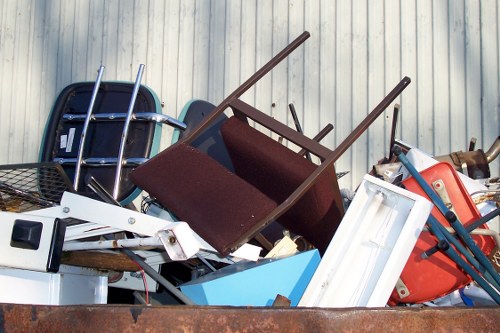
Victorian Waste Management Laws
Victoria has stringent waste management regulations designed to protect the environment and public health. Builders must adhere to these laws to avoid penalties and contribute to sustainable practices.
- Waste Reduction Act 2011: Mandates the reduction, reuse, and recycling of waste.
- Environment Protection Act 2017: Regulates waste disposal and management practices.
- Compliance Codes: Specific guidelines for different types of construction waste.
Violations of these regulations can result in hefty fines and legal repercussions, making it imperative for builders to understand and comply with all relevant laws.
Engaging a professional waste removal service familiar with Victorian regulations can help ensure compliance and streamline the disposal process.
Choosing the Right Waste Removal Service
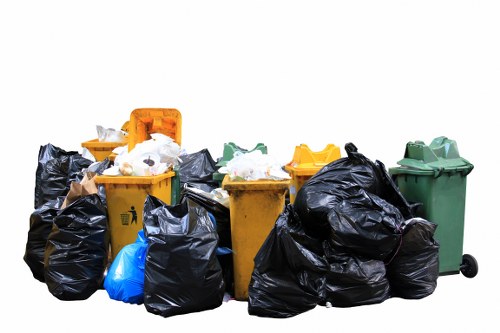
Factors to Consider
Selecting an appropriate waste removal service in Victoria involves evaluating several key aspects to ensure reliability, efficiency, and cost-effectiveness:
- Licensing and Certification: Ensure the service provider is licensed to handle construction waste.
- Experience and Expertise: Look for companies with a proven track record in managing builders waste.
- Service Range: Comprehensive services including collection, transport, and disposal.
- Recycling Initiatives: Preference for companies that prioritize recycling and sustainable practices.
- Cost Transparency: Clear and upfront pricing without hidden fees.
By carefully evaluating these factors, builders can select a waste removal partner that aligns with their project needs and sustainability goals.
It's also beneficial to read reviews and seek recommendations to gauge the reputation and reliability of the service provider.
Benefits of Professional Waste Removal

Efficiency and Time Savings
Hiring a professional builders waste removal service brings numerous advantages that can enhance the overall efficiency of your construction project.
- Time Management: Quick and efficient waste removal minimizes downtime on the construction site.
- Labor Savings: Reduces the need for additional manpower to handle waste disposal.
- Proper Handling: Ensures hazardous materials are managed safely and in accordance with regulations.
- Environmental Impact: Professional services often have robust recycling programs, reducing the environmental footprint.
Moreover, outsourcing waste removal allows builders to focus on their core activities, improving overall project management and productivity.
Additionally, professional services are equipped with the necessary tools and vehicles to handle large volumes of waste efficiently.
Implementing Sustainable Waste Management Practices
Recycling and Reuse
Adopting sustainable practices in builders waste removal can lead to significant environmental benefits and cost savings.
- Material Segregation: Separating recyclable materials like metals, wood, and concrete at the source.
- Recycling Partnerships: Collaborating with recycling facilities to process and reuse waste materials.
- Innovative Technologies: Utilizing advanced sorting and recycling technologies to enhance efficiency.
- Waste Minimization: Implementing strategies to reduce the generation of waste during construction.
By integrating these practices, builders can not only comply with environmental regulations but also contribute to the circular economy.
Moreover, sustainable waste management can enhance the reputation of construction firms as environmentally responsible entities.
Cost Factors in Builders Waste Removal
Understanding Pricing Models
The cost of waste removal services in Victoria can vary based on several factors. Understanding these can help builders budget effectively and avoid unexpected expenses.
- Volume of Waste: Larger projects generate more waste, leading to higher disposal costs.
- Type of Waste: Hazardous or specialized waste may incur additional fees.
- Frequency of Collection: Regular pickups might offer cost savings compared to one-time services.
- Transportation Distance: Longer distances between the site and disposal facilities can affect pricing.
- Recycling Fees: Costs associated with recycling certain materials.
It's essential to obtain detailed quotes from multiple service providers and understand what is included in the pricing to make an informed decision.
Negotiating contracts and exploring bulk service discounts can also help manage costs effectively.
Technology and Innovations in Waste Removal
Advancements Enhancing Efficiency
The waste removal industry in Victoria is continually evolving with technological advancements aimed at improving efficiency and sustainability.
- Automated Sorting Systems: Enhancing the accuracy and speed of material segregation.
- Smart Logistics: Optimizing collection routes to reduce fuel consumption and operational costs.
- Waste Tracking Software: Providing real-time data on waste generation and disposal for better management.
- Eco-Friendly Vehicles: Transitioning to electric or hybrid fleets to minimize carbon emissions.
- Innovative Recycling Techniques: Developing new methods to process complex materials more effectively.
These innovations not only make waste removal more efficient but also support the broader goals of sustainability and environmental protection.
Adopting cutting-edge technologies can give waste removal services a competitive edge and provide better service to their clients.
Case Studies: Success Stories in Victoria
Effective Waste Management in Action
Examining real-world examples of successful builders waste removal can provide valuable insights and best practices.
- Residential Construction Projects: Implementing efficient waste segregation and recycling strategies in housing developments.
- Commercial Builds: Managing large-scale waste streams in office and retail construction projects.
- Renovation Projects: Handling diverse waste materials in remodeling and refurbishment works.
These case studies highlight the importance of tailored waste removal solutions that cater to the specific needs of different construction projects.
They also demonstrate the positive impact of professional waste management on project timelines and environmental outcomes.
Challenges and Solutions in Builders Waste Removal
Overcoming Common Obstacles
Despite the availability of professional services, builders often face challenges in waste removal. Identifying and addressing these obstacles is crucial for seamless project execution.
- Space Constraints: Limited site space can make waste storage and removal difficult.
- Variety of Waste: Diverse materials require specialized handling and disposal methods.
- Regulatory Compliance: Navigating complex waste management laws and guidelines.
- Cost Management: Balancing effective waste removal with budgetary constraints.
Solutions include meticulous planning, partnering with adaptable waste removal services, and investing in waste minimization strategies to reduce overall waste generation.
Additionally, training staff on proper waste handling and segregation can mitigate many of these challenges.
Future Trends in Builders Waste Removal
What's Next for Waste Management
The future of waste removal in Victoria looks promising with ongoing advancements and a growing emphasis on sustainability.
- Circular Economy Models: Emphasizing the reuse and recycling of materials to create a closed-loop system.
- Digital Integration: Leveraging data analytics and IoT to enhance waste management efficiency.
- Green Certifications: Increasing demand for eco-friendly practices and certification compliance.
- Community Engagement: Promoting awareness and participation in sustainable waste practices.
- Innovative Recycling Methods: Developing new technologies to process previously non-recyclable materials.
Staying abreast of these trends can help builders and waste removal services adapt and thrive in a rapidly evolving industry.
Proactive adoption of sustainable practices will not only benefit the environment but also enhance the reputation and competitiveness of construction firms.
Conclusion
Effective builders waste removal in Victoria is a critical component of successful construction and renovation projects. By understanding the types of waste, adhering to regulatory requirements, and partnering with professional waste removal services, builders can ensure a clean, safe, and sustainable work environment.
Embracing sustainable waste management practices not only helps in complying with environmental laws but also contributes to the broader goal of preserving our planet for future generations.
Don't let waste management challenges impede your project's progress. Contact us today to learn how our expert builders waste removal services in Victoria can streamline your operations and support your sustainability goals.