Construction Waste Clearance in Victoria
Understanding Construction Waste Clearance
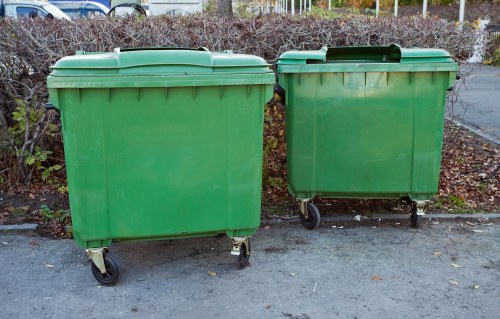
Construction projects generate a significant amount of waste, and managing this waste efficiently is crucial for both environmental sustainability and compliance with local regulations. Construction waste clearance in Victoria involves the systematic removal and disposal of debris generated during building, renovation, and demolition activities.
Proper waste clearance not only ensures a tidy and safe worksite but also minimizes the environmental impact by promoting recycling and responsible disposal practices. In Victoria, strict guidelines govern the disposal of construction materials, making it essential for contractors and builders to adhere to these standards.
Implementing effective waste management strategies can lead to cost savings, improved site safety, and a positive reputation for businesses committed to sustainable practices.
Types of Construction Waste
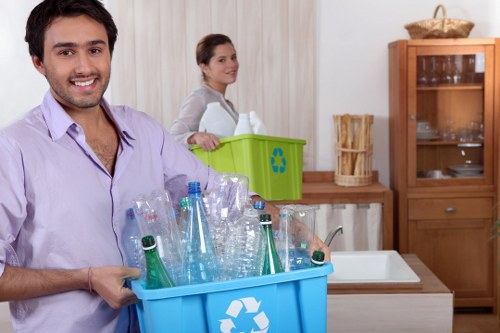
The construction sector produces various types of waste, each requiring specific handling and disposal methods. Common categories include:
- Concrete and Masonry: Often recycled into aggregate for new construction.
- Wood and Timber: Can be repurposed or processed into biomass for energy.
- Metals: Highly recyclable and valuable for scrap.
- Plastics: Requires sorting for recycling due to diverse types.
- Glass: Recyclable but must be free from contaminants.
Understanding the different types of waste is the first step in effective construction waste clearance, enabling targeted recycling and disposal efforts.
Additionally, hazardous materials such as asbestos or chemical solvents demand specialized handling to prevent environmental contamination and ensure worker safety.
Regulations and Compliance
Victoria has established comprehensive regulations to govern construction waste management. Compliance with these laws is mandatory to avoid penalties and contribute to environmental conservation.
Key regulatory frameworks include:
- Environment Protection Act 2017: Sets the foundation for waste management practices.
- Waste Management Regulations 2018: Provides specific guidelines for waste disposal and recycling.
- Local Council Regulations: May have additional requirements for waste clearance and recycling targets.
These regulations ensure that construction waste is managed responsibly, reducing the ecological footprint of building projects across Victoria.
Staying informed about regulatory changes and employing certified waste management services can facilitate compliance and promote sustainable construction practices.
Benefits of Professional Waste Clearance Services
Engaging professional waste clearance services offers numerous advantages for construction projects in Victoria.
Efficiency and Timeliness: Experts ensure that waste is removed promptly, preventing site congestion and delays.
Expertise in Recycling: Professionals are knowledgeable about the latest recycling techniques and regulations, maximizing waste recovery.
Cost-Effective Solutions: Proper waste management can lead to reduced disposal costs and potential revenue from recycled materials.
Safety Improvement: Removing debris minimizes site hazards, enhancing overall safety for workers.
Environmental Protection: Professional services ensure that waste is handled in an eco-friendly manner, aligning with sustainability goals.
Choosing the Right Waste Clearance Provider
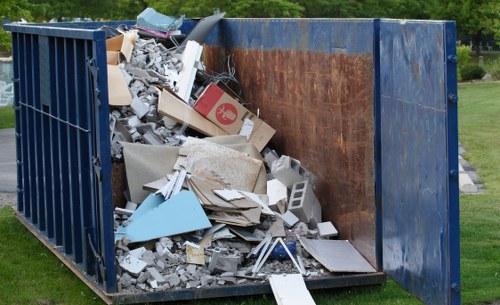
Selecting a reputable waste clearance provider is essential for effective construction waste management in Victoria. Consider the following factors:
- Licensing and Certification: Ensure the provider complies with local regulations and holds necessary permits.
- Experience and Expertise: Look for companies with a proven track record in construction waste clearance.
- Comprehensive Services: Providers should offer a range of services, including recycling, hazardous waste handling, and scheduled pickups.
- Transparent Pricing: Clear and competitive pricing structures help in budgeting and avoiding hidden costs.
- Customer Reviews: Positive testimonials indicate reliability and quality of service.
By carefully evaluating potential providers, construction companies can ensure efficient and compliant waste clearance operations.
Additionally, establishing a long-term partnership with a waste clearance service can streamline processes and foster sustainable waste management practices.
Implementing Effective Waste Management Practices
To optimize construction waste clearance in Victoria, consider implementing the following practices:
- Waste Audits: Regularly assess the types and quantities of waste generated to identify opportunities for reduction and recycling.
- Segregation at Source: Separate different types of waste as they are generated to facilitate efficient recycling and disposal.
- Training and Education: Equip workers with the knowledge and tools to manage waste effectively.
- Use of Recycled Materials: Incorporate recycled materials in construction projects to minimize waste generation.
- Continuous Improvement: Regularly review and refine waste management strategies to enhance efficiency and sustainability.
These practices not only support effective waste clearance but also contribute to the overall success and sustainability of construction projects.
Engaging stakeholders in waste management initiatives fosters a culture of responsibility and environmental stewardship within the organization.
Innovations in Construction Waste Management
The construction industry is continuously evolving, with innovations aimed at improving waste management and clearance processes.
- Advanced Recycling Technologies: Innovations such as automated sorting and material recovery facilities enhance recycling efficiency.
- Green Building Materials: Development of sustainable materials reduces the volume and environmental impact of construction waste.
- Digital Waste Tracking: Software solutions enable real-time monitoring of waste generation and disposal, facilitating better management decisions.
- Modular Construction: Prefabricated components minimize on-site waste by optimizing material usage and reducing errors.
- Waste-to-Energy Solutions: Converting waste materials into energy sources provides sustainable disposal alternatives.
Embracing these innovations can significantly enhance the effectiveness of construction waste clearance in Victoria.
Staying abreast of technological advancements ensures that construction projects remain competitive and environmentally responsible.
Environmental Impact of Construction Waste
The improper management of construction waste has profound environmental implications, including:
- Landfill Overuse: Excessive waste contributes to the rapid depletion of landfill space, leading to environmental degradation.
- Resource Depletion: Discarded materials represent lost opportunities for recycling and resource recovery.
- Pollution: Hazardous waste can contaminate soil, water, and air, posing health risks to communities.
- Carbon Footprint: Manufacturing new materials to replace recycled ones increases greenhouse gas emissions.
- Biodiversity Loss: Landfills and pollution can disrupt local ecosystems and harm wildlife.
Therefore, effective construction waste clearance is essential in mitigating these negative environmental impacts.
By prioritizing sustainable waste management practices, the construction industry can contribute to the preservation of natural resources and the protection of the environment.
Economic Benefits of Waste Recycling
Recycling construction waste offers significant economic advantages:
- Cost Savings: Reducing the volume of waste lowers disposal fees and recycles materials can be cheaper than new ones.
- Resource Efficiency: Utilizing recycled materials optimizes resource usage and reduces dependency on raw material extraction.
- Revenue Generation: Selling recyclable waste can create additional income streams for construction businesses.
- Market Competitiveness: Sustainable practices can enhance a company's reputation and attract environmentally conscious clients.
- Job Creation: The recycling industry supports employment opportunities in material processing and waste management.
Integrating recycling into construction waste clearance not only benefits the environment but also contributes to the economic viability of construction projects.
Businesses that adopt recycling practices can position themselves as leaders in sustainability, gaining a competitive edge in the market.
Case Studies of Successful Waste Clearance
Examining successful case studies can provide valuable insights into effective construction waste clearance strategies.
Project A: A large-scale commercial building in Melbourne implemented a comprehensive waste segregation system, resulting in an 80% recycling rate and significant cost savings on waste disposal.
Project B: A residential development in Geelong partnered with a local waste clearance company to utilize recycled materials, enhancing the project's sustainability and reducing its environmental footprint.
Project C: A demolition project in Ballarat employed advanced recycling technologies, transforming construction debris into usable materials for new infrastructure projects.
These examples demonstrate the tangible benefits of strategic waste management and the positive outcomes of effective construction waste clearance in Victoria.
Learning from these projects can inspire other businesses to adopt similar practices, fostering a culture of sustainability within the construction industry.
Future Trends in Construction Waste Management
The future of construction waste clearance in Victoria is poised for significant advancements driven by technological innovation and increasing environmental awareness.
- Circular Economy Models: Emphasizing the reuse and recycling of materials to create a closed-loop system.
- Smart Waste Management: Utilizing IoT and AI to optimize waste collection and processing.
- Sustainable Material Development: Advancing materials that are easier to recycle and have lower environmental impacts.
- Policy Enhancements: Anticipating stricter regulations and incentives for sustainable waste management practices.
- Collaborative Initiatives: Promoting partnerships between construction companies, recycling firms, and government bodies to enhance waste management systems.
Staying informed about these trends can help construction businesses proactively adapt to changing waste management landscapes.
By embracing future-oriented strategies, the construction industry can lead the way in sustainable development and environmental responsibility.
Conclusion
Construction waste clearance in Victoria is a critical component of sustainable building practices. Effective waste management ensures environmental protection, regulatory compliance, and economic benefits for construction projects.
By understanding the types of construction waste, adhering to regulations, and choosing the right waste clearance providers, businesses can optimize their waste management strategies.
Embracing innovations and future trends will further enhance the efficiency and sustainability of construction waste clearance, positioning Victoria as a leader in environmentally responsible construction.
Contact us today to learn more about how we can assist with your construction waste clearance needs and help your projects achieve their sustainability goals.