Construction Waste Disposal in Victoria
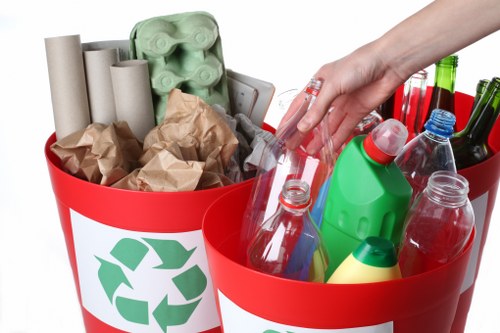
Construction projects generate a significant amount of waste, and managing this waste effectively is crucial for environmental sustainability and regulatory compliance. In Victoria, construction waste disposal has become a specialized service to ensure that debris from building sites is handled responsibly.
Proper waste disposal not only helps in reducing the environmental footprint of construction activities but also ensures that projects remain within budget by minimizing unexpected disposal costs. Understanding the rules, regulations, and methods of construction waste disposal in Victoria is essential for contractors, builders, and property developers.
This article delves into the various aspects of construction waste disposal in Victoria, providing insights into best practices, legal requirements, and the benefits of efficient waste management.
Understanding Construction Waste in Victoria
Construction waste refers to the materials discarded during the construction, renovation, or demolition of buildings and infrastructure. In Victoria, this waste can include concrete, wood, metals, bricks, glass, plastics, and hazardous materials like asbestos.
The volume and type of waste generated depend on the nature of the construction project. For instance, large-scale infrastructure projects produce more substantial amounts of debris compared to residential building works.
Effective management of this waste is essential to prevent environmental degradation, reduce landfill usage, and comply with state regulations.
Types of Construction Waste
- Concrete and Masonry: Includes leftover concrete, bricks, and tiles.
- Wood and Timber: Scraps from framing, flooring, and other wood-based applications.
- Metals: Steel, aluminum, and other metal scraps.
- Plastics: Packaging materials, piping, and other plastic components.
- Hazardous Materials: Asbestos, lead-based paints, and other hazardous substances.

Legal Requirements for Waste Disposal
Victoria has stringent regulations governing the disposal of construction waste to ensure environmental protection and public safety. The Environmental Protection Authority (EPA) oversees these regulations, setting guidelines that must be followed by all construction entities.
Key legal requirements include:
- Waste Classification: Proper categorization of waste types to determine appropriate disposal methods.
- Permits and Licenses: Obtaining necessary permits for waste transport and disposal.
- Record-Keeping: Maintaining detailed records of waste generation, handling, and disposal.
- Recycling Obligations: Mandates to recycle certain percentages of construction waste.
Failure to comply with these regulations can result in hefty fines and project delays, highlighting the importance of understanding and adhering to the legal framework.
Methods of Construction Waste Disposal
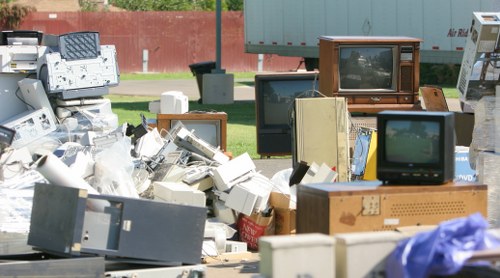
Several methods are employed in Victoria for the disposal of construction waste, each tailored to the type and volume of waste generated.
Recycling and Reuse
Recycling involves processing used materials to create new products, reducing the need for raw materials. Commonly recycled materials in construction include metals, wood, and concrete.
Reuse refers to the direct use of materials without significant processing. For example, timber from demolished structures can be repurposed for new building projects.
Landfilling
Landfilling is the most common disposal method, where waste is transported to designated landfills. However, this method is less preferred due to environmental concerns and limited landfill space.
Incineration
Incineration involves burning waste at high temperatures, reducing its volume and sometimes generating energy. This method is typically reserved for hazardous materials that cannot be recycled.
Environmental Impact of Improper Waste Disposal
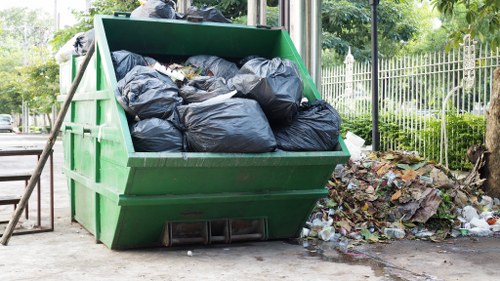
Improper disposal of construction waste can lead to severe environmental consequences. These include soil and water contamination, air pollution from burning waste, and the depletion of natural resources due to excessive landfill use.
Moreover, neglecting proper waste management can disrupt local ecosystems and contribute to long-term ecological imbalance. Therefore, adhering to best practices in waste disposal is not just a regulatory obligation but also a moral responsibility.
By implementing effective waste management strategies, the construction industry can significantly mitigate its environmental impact.
Impact on Public Health
Improper disposal can also have adverse effects on public health. For instance, exposure to hazardous materials like asbestos can lead to respiratory issues and other health complications.
Best Practices for Construction Waste Management
Adopting best practices in construction waste management ensures efficiency, cost-effectiveness, and environmental sustainability. Here are some strategies to consider:
Waste Minimization
Planning projects meticulously to reduce waste generation. This includes accurate estimations of material requirements and minimizing over-ordering.
Segregation at Source
Separating different types of waste at the construction site improves recycling rates and simplifies disposal processes.
Engaging Professional Waste Disposal Services
Hiring specialized waste management companies in Victoria can ensure compliance with regulations and efficient handling of construction debris.
Training and Awareness
Educating workers about waste management protocols fosters a culture of responsibility and adherence to best practices.
Recycling Initiatives in Victoria
Victoria has implemented various recycling initiatives to promote sustainable construction practices. These initiatives focus on increasing the recycling rate of construction materials and reducing landfill dependency.
Material Recovery Facilities (MRFs)
MRFs play a pivotal role in sorting and processing construction waste, facilitating the recycling of materials like metals, wood, and concrete.
Green Building Certifications
Certifications like Green Star encourage the use of recycled materials and sustainable construction practices, incentivizing builders to adopt environmentally friendly methods.
Government Incentives
Victoria offers incentives and support for construction projects that prioritize waste recycling and implement green building standards.
Choosing the Right Waste Disposal Partner
Selecting a reliable construction waste disposal service in Victoria is crucial for effective waste management. Here are factors to consider when choosing a partner:
- Compliance and Licensing: Ensure the company adheres to all state regulations and holds necessary licenses.
- Experience: Experienced providers are more likely to handle waste efficiently and offer tailored solutions.
- Recycling Capabilities: Companies with robust recycling processes contribute to sustainable waste management.
- Timeliness: Prompt waste removal services prevent site congestion and project delays.
- Cost-Effectiveness: Competitive pricing without compromising on service quality is essential.
By carefully evaluating these factors, construction projects can partner with waste disposal services that align with their sustainability goals and operational needs.
Technological Advancements in Waste Disposal
Technological innovations are transforming the landscape of construction waste disposal in Victoria. These advancements enhance efficiency, reduce costs, and improve environmental outcomes.
Automation and Robotics
Automated systems and robotics streamline the sorting and processing of construction waste, increasing accuracy and reducing labor costs.
Data Analytics
Utilizing data analytics helps in predicting waste generation patterns, optimizing waste collection routes, and improving overall waste management strategies.
Eco-friendly Materials
The development of sustainable building materials reduces the volume of waste and minimizes the environmental impact of construction activities.
Economic Benefits of Effective Waste Disposal
Managing construction waste efficiently offers several economic advantages. These include cost savings from reduced landfill fees, potential revenue from recycled materials, and enhanced project profitability.
Cost Reduction
By minimizing waste and optimizing disposal processes, construction projects can significantly lower their overall costs.
Revenue Generation
Recycled materials can be sold or reused in other projects, creating additional revenue streams for builders and contractors.
Enhanced Reputation
Adopting sustainable waste management practices enhances the reputation of construction companies, attracting environmentally conscious clients and partners.
Challenges in Construction Waste Disposal
Despite the benefits, effective construction waste disposal in Victoria faces several challenges.
Regulatory Compliance
Keeping up with changing regulations and ensuring full compliance can be complex and resource-intensive.
High Disposal Costs
The expenses associated with waste transportation, processing, and disposal can be substantial, especially for large-scale projects.
Limited Recycling Infrastructure
Insufficient recycling facilities hinder the efficient processing of construction waste, leading to increased reliance on landfilling.
Awareness and Training
Lack of awareness and proper training among construction workers can impede the implementation of effective waste management practices.
The Future of Construction Waste Disposal in Victoria
The future of construction waste disposal in Victoria looks promising, with ongoing initiatives aimed at enhancing sustainability and efficiency.
Increased Recycling Rates
Targeted efforts to boost recycling rates will reduce landfill dependency and promote the circular economy in the construction sector.
Adoption of Circular Economy Principles
Embracing circular economy models ensures that materials are reused and recycled, minimizing waste generation and maximizing resource utilization.
Innovative Waste Processing Technologies
Advancements in waste processing technologies will streamline operations, making waste disposal more cost-effective and environmentally friendly.
Policy Enhancements
Future policies will likely focus on stricter regulations, incentives for sustainable practices, and support for recycling infrastructure development.
Case Studies: Successful Waste Management in Victoria
Several construction projects in Victoria have demonstrated exemplary waste management practices, setting benchmarks for the industry.
Case Study 1: Melbourne Metro Project
The Melbourne Metro project implemented comprehensive waste segregation and recycling protocols, achieving a 75% recycling rate and significantly reducing landfill waste.
Case Study 2: Green Building Initiative
A residential construction project focused on using recycled materials and eco-friendly practices, resulting in cost savings and enhanced environmental performance.
Case Study 3: Urban Renewal Project
An urban renewal project incorporated advanced waste processing technologies, minimizing waste generation and promoting sustainable construction practices.
Resources and Support for Construction Waste Disposal
Various resources and support systems are available to assist construction professionals in Victoria with waste disposal.
Government Agencies
Organizations like the EPA provide guidelines, support, and resources to ensure compliance and promote best practices in waste management.
Industry Associations
Associations such as the Master Builders Association offer training, workshops, and resources to help members navigate waste disposal challenges.
Professional Services
Numerous waste management companies specialize in construction waste disposal, offering tailored services to meet specific project needs.
Educational Resources
Webinars, workshops, and online courses are available to educate construction professionals on effective waste management strategies.
Conclusion
Effective construction waste disposal in Victoria is essential for environmental sustainability, compliance with regulations, and economic efficiency. By understanding the types of construction waste, adhering to legal requirements, and adopting best practices, the construction industry can significantly reduce its environmental impact and enhance project outcomes.
Embracing recycling initiatives, leveraging technological advancements, and overcoming existing challenges will pave the way for a more sustainable and efficient construction sector in Victoria.
For construction projects aiming to optimize their waste management strategies, partnering with professional waste disposal services is a crucial step towards achieving sustainability goals.
Take the Next Step
Contact us today to learn more about our construction waste disposal solutions tailored for projects in Victoria. Let’s build a sustainable future together.